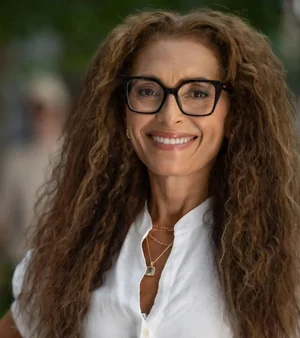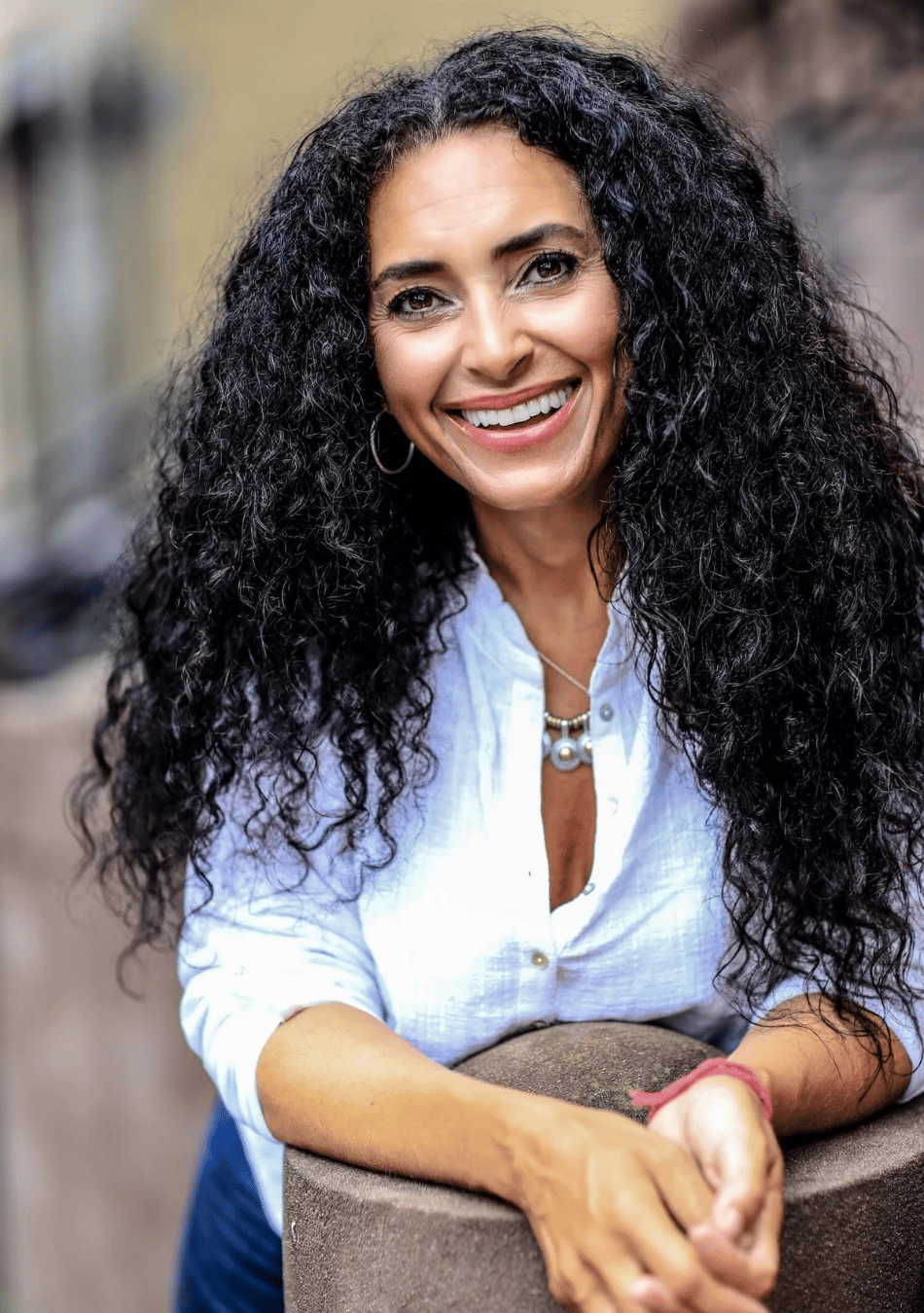
Hi, I’m Francesca Maximé, a Brooklyn-based Somatic Experiencing practitioner and licensed clinical social worker with advanced training in mindfulness, relational therapy, and trauma resolution. I offer psychotherapy in New York, Florida, and Massachusetts, along with coaching for individuals and couples worldwide. My work centers on the nervous system and the lived body, helping people move from survival patterns into greater steadiness, connection, and choice.
When stress or trauma settles into the body, it can quietly shape the way you breathe, move, relate, and rest. In those moments, choosing the right therapist can feel like one of the most important decisions you make. Somatic therapy invites careful listening to the body’s signals, allowing healing to unfold with precision and respect.
If you’re curious about working together, you’re welcome to book a free clarity call so we can explore what support might feel aligned.
At the same time, I understand the importance of connecting with the right therapist. Ideally, we find therapists through trusted word of mouth, but not everyone has that kind of referral when searching for somatic therapy in Brooklyn. That’s why I created this page: to offer a list of other somatic therapists in Brooklyn who each bring integrity, depth, and a genuine commitment to embodied healing. You would be in thoughtful, capable hands with any of them.
Meet trusted somatic therapists in Brooklyn
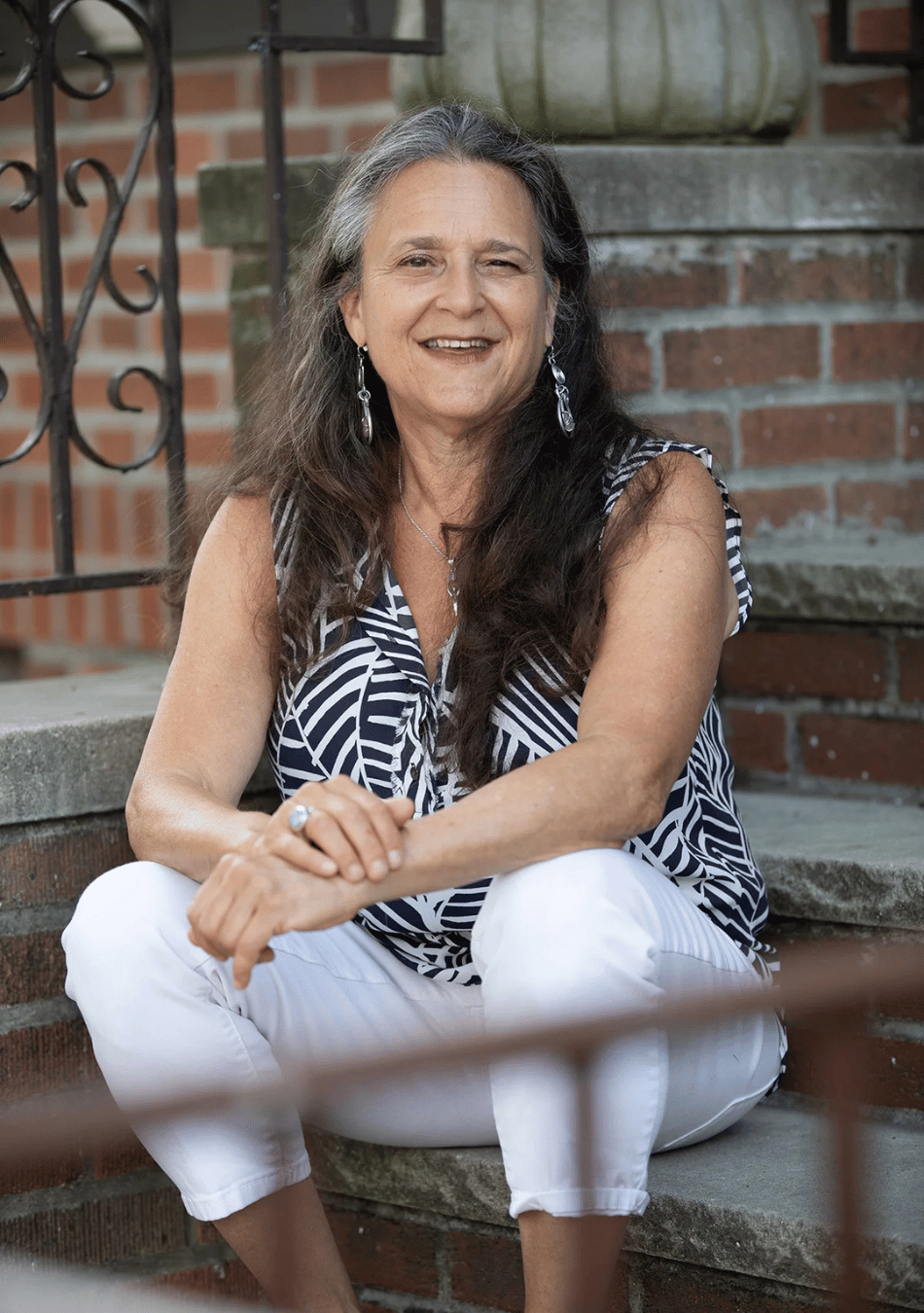
Susan Epstein, DC, SEP
Sue brings an extraordinary depth of body-based wisdom to her somatic work, drawing on more than three decades as a licensed chiropractor, along with her training in Somatic Experiencing and Craniosacral Therapy. What distinguishes her is the way she listens to trauma through the physical body itself, which helps clients feel both seen and supported at a cellular level.
I tend to point people toward Susan when chronic pain or persistent physical symptoms feel intertwined with emotional history, or when someone in a helping or creative profession wants a practitioner who truly understands the toll of holding space for others.
Focus areas: Chronic pain/fibromyalgia, intergenerational trauma, women’s issues, grief and loss, feeling stuck, ADHD, spirituality
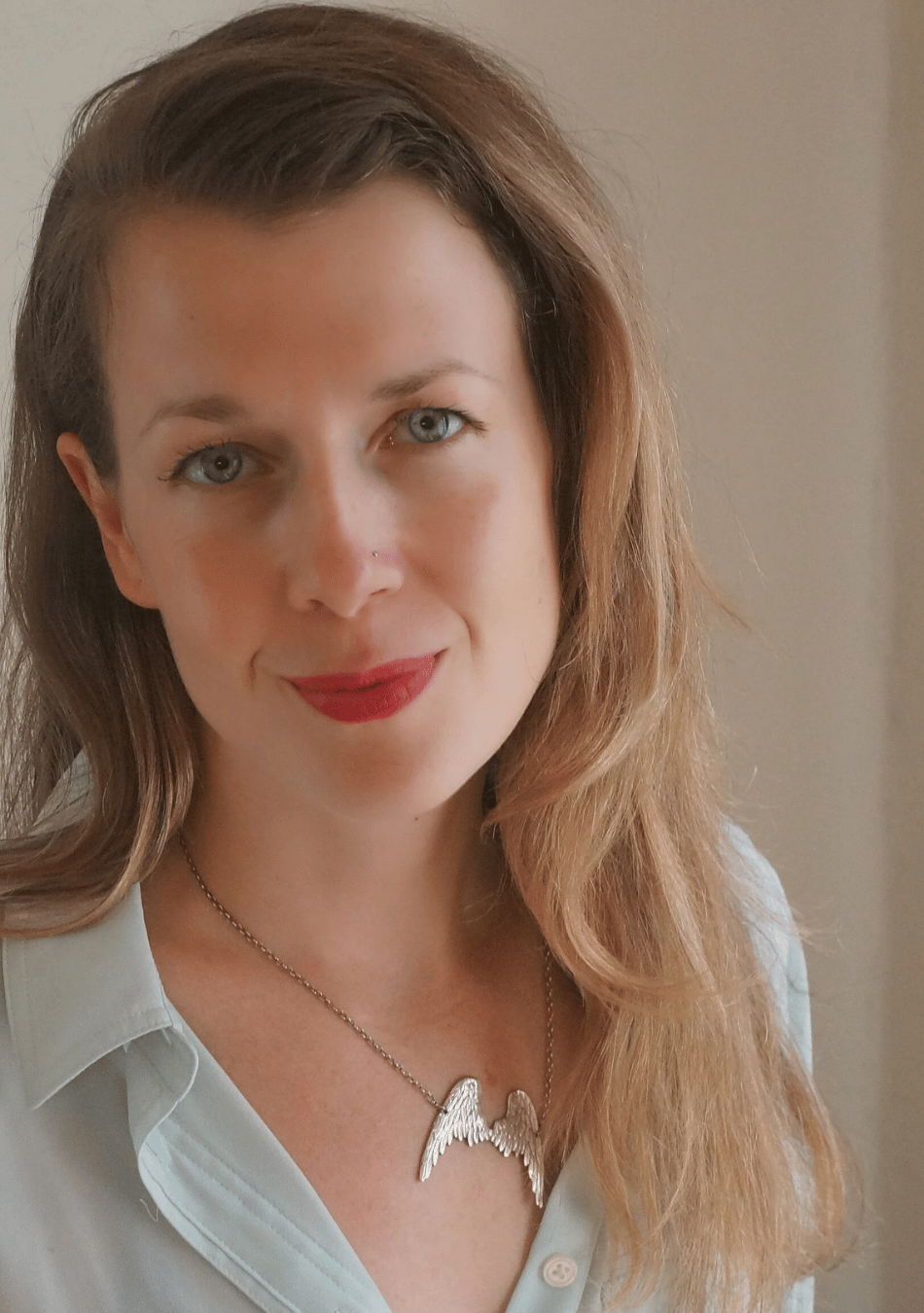
Alex Haselbeck, LCSW, SEP
Alex offers a rare blend of warmth and clinical range that weaves Somatic Experiencing with EMDR, internal family systems, and attachment-focused couples work. Her style is grounded and collaborative, inviting honesty, humor, and curiosity into the room so clients can explore difficult material without feeling rushed or judged.
If you’re dealing with early attachment wounds or relational patterns that feel central to what you’re working through, especially for LGBTQIA+ folks or people in consensually non-monogamous relationship structures, I often steer people toward Alex. Her background in community mental health and training in Dynamic Attachment Re-patterning shape an anti-oppressive, systems-savvy approach that many clients find both stabilizing and deeply validating.
Focus areas: Attachment trauma, developmental trauma, complex PTSD, relationship and couples issues, non-traditional relationships, LGBTQIA+ clients, women’s issues, early childhood attachment disturbances, systemic trauma
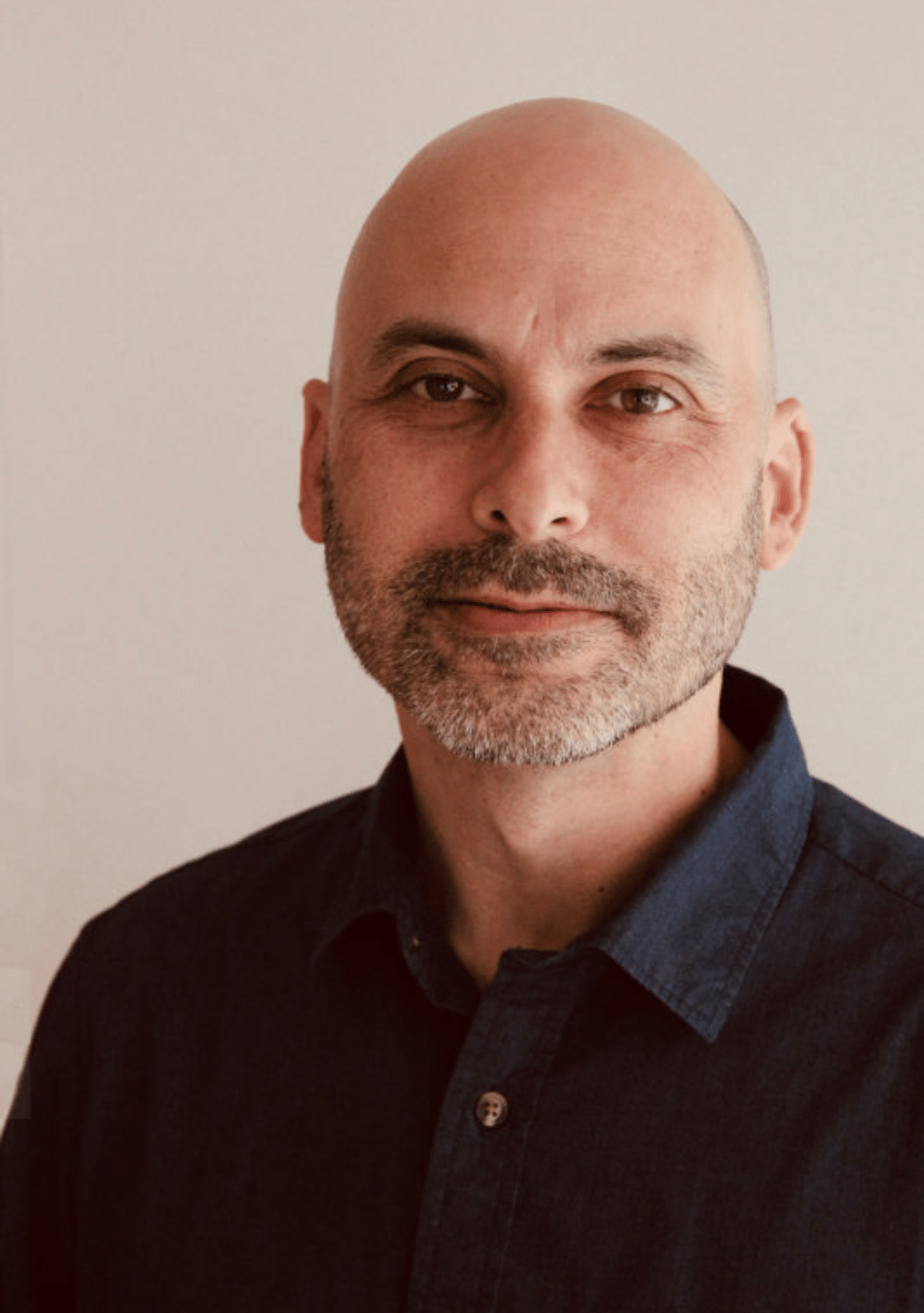
Dan Rindler, SEP, GCFP
Dan brings a beautifully movement-centered approach to somatic work, blending Somatic Experiencing with Feldenkrais to help clients reconnect with their bodies in gentle, precise ways. He combines hands-on support, mindful movement, and conversation to reach places that can feel inaccessible through words alone, and he does so with people of all ages, from infants and parents to teens and adults.
Dan tends to be an excellent match for people who want a movement-based path to healing, particularly performers recovering from injury, new parents seeking body-centered support, or those navigating chronic pain.
Focus areas: Chronic pain/fibromyalgia, developmental trauma, medical procedure trauma, motor vehicle collisions, intergenerational trauma, musicians and performing artists, infants and parents, children and teenagers, physically impaired clients
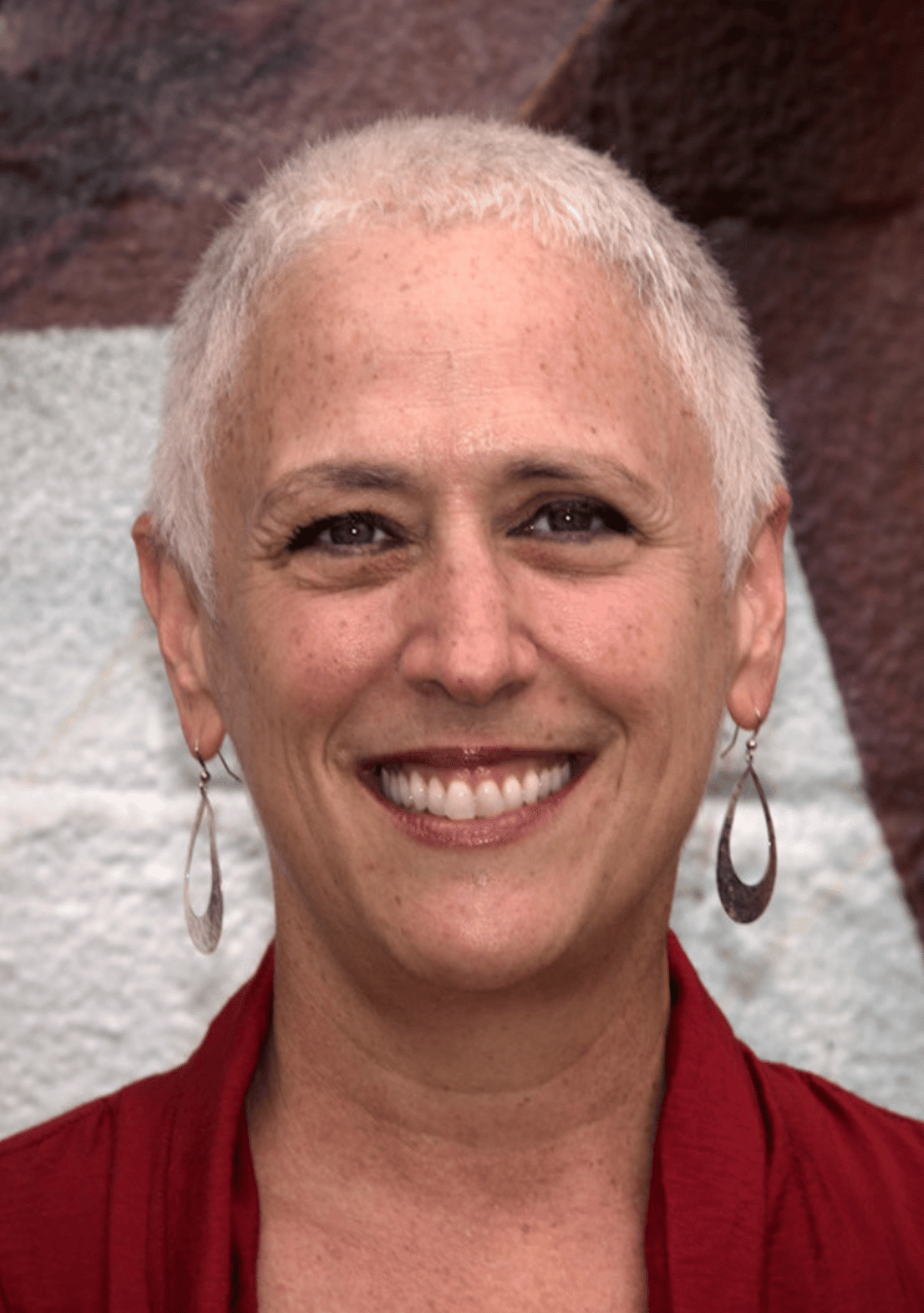
Teresa Stern, LCSW, SEP
Teresa brings a wide-ranging, thoughtfully integrated approach to somatic therapy, guided by a belief I deeply share, which is that our systems hold an innate capacity for healing, even when that connection has been disrupted. She has cultivated a practice rooted in experiential, body-based care, while continuing to expand her own training across modalities such as SE Touch, IFS, EMDR, ketamine-assisted therapy, and nervous-system–focused interventions designed to meet each person with flexibility and respect.
Teresa is an excellent fit for children and adults navigating complex trauma, attachment wounds, identity questions, or medical and birth-related experiences that still echo in the body.
Focus areas: Childhood and attachment trauma, sexual abuse, domestic violence, complex PTSD, medical/health trauma, birth trauma, grief and loss, identity issues, BIPOC populations, racial trauma, children and adolescents, adults abused as children, chronic pain
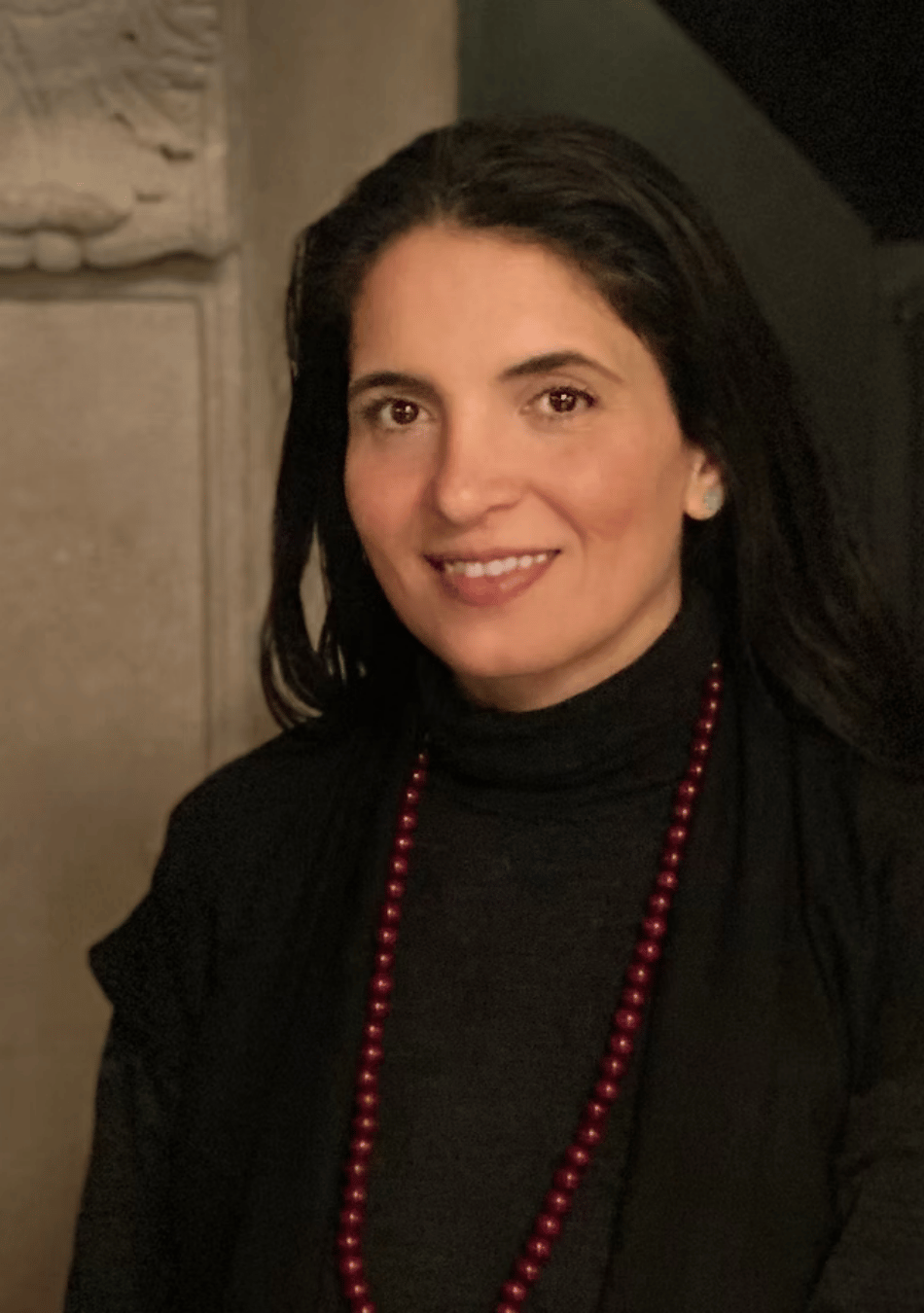
Sherry Shokouhi, LMHC, SEP, LPC
Sherry Shokouhi brings an uncommon depth to somatic therapy in Brooklyn, shaped by more than two decades of clinical practice alongside her lived experience of war, immigration, and cultural displacement. Trained in Somatic Experiencing and grounded in rigorous academic study, including research at Mount Sinai, she blends scientific precision with a profoundly human capacity to see the many contexts that shape a person’s nervous system, identity, and resilience.
Sherry is especially well-suited for people navigating immigration stress, racial or transgenerational trauma, or the weight of systemic oppression, as well as parents seeking steadier ways to support their families. Her work with refugees and underserved communities, combined with her training as a Certified Simplicity Parenting Coach, allows her to move fluidly between short-term stabilization and longer-term healing, supporting reconnection to one’s authentic self.
Focus areas: Immigration and sociocultural displacement, racial trauma, transgenerational trauma, systemic trauma, anti-oppression trauma resolution, war refugees, complex PTSD, developmental trauma, relationship issues, adolescents
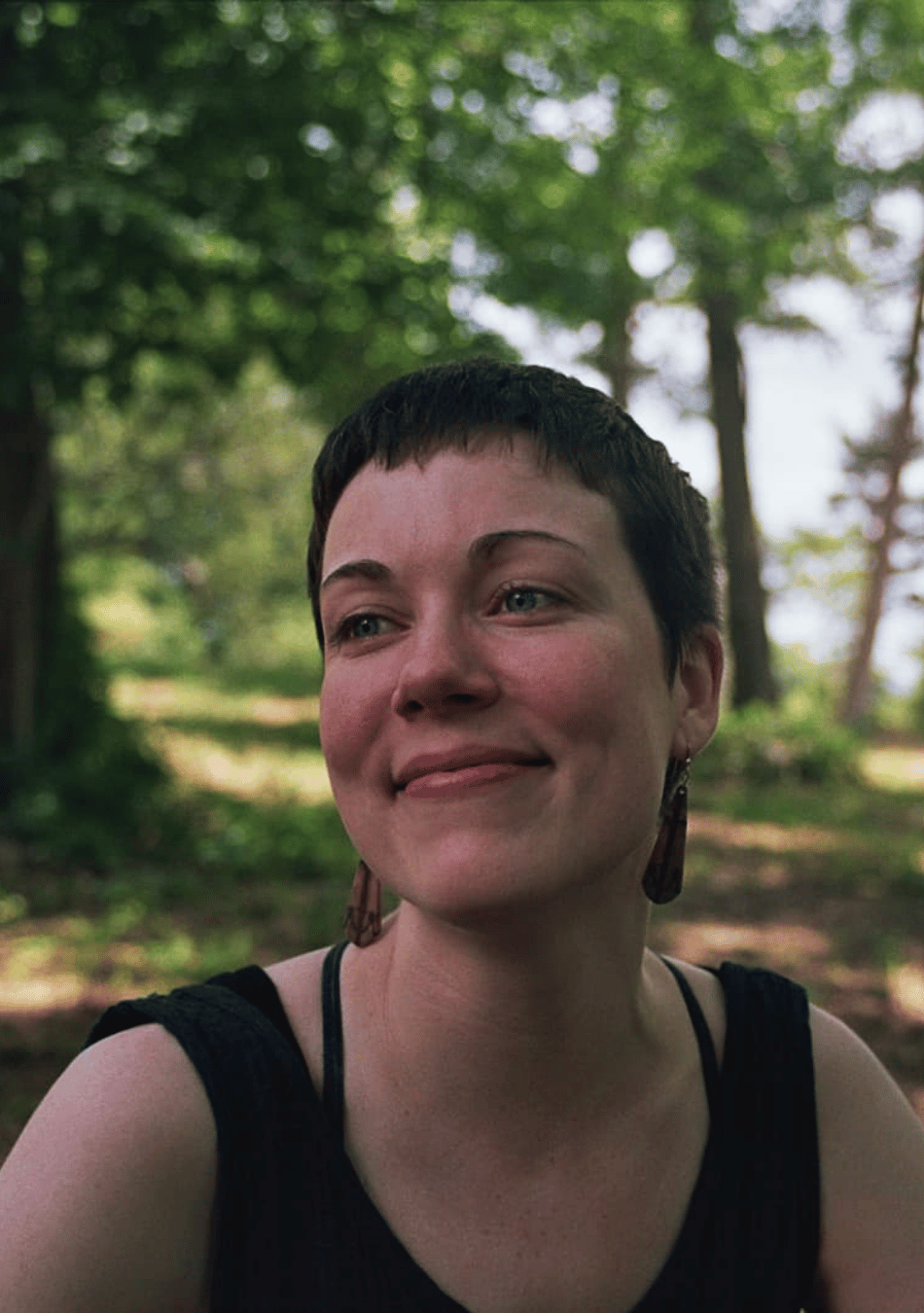
Josephine Cooper, SEP
As a somatic therapist, Josephine offers a distinctly body-first approach to healing, blending Somatic Experiencing with hands-on touch work, Reiki, voice, and movement practices such as yoga. Her work is guided by a philosophy that our bodies aren’t broken, but brilliantly protective, and she centers the felt sense of experience so clients can begin to befriend, rather than override, their nervous systems.
Josephine is an especially strong fit for people drawn to bodywork or nontraditional therapeutic paths, as well as helpers and creatives who spend their lives holding space for others. Her trauma-informed work with LGBTQIA+ communities and with pregnancy, birth, and postpartum experiences adds further depth.
Focus areas: LGBTQIA+ clients, helping professionals and creatives (therapists, educators, activists, healers, artists, birth workers), complex PTSD, developmental trauma, sexual abuse, domestic violence, birth trauma, pregnancy/postpartum, chronic illness, medical procedure trauma, ADHD, sleep/insomnia, spirituality
FAQs about somatic therapy
-
Somatic Experiencing (SE) is a body-based approach to healing trauma developed by Dr. Peter Levine. Instead of working only through story or analysis, SE gently tracks sensations, impulses, breath, and nervous system rhythms, allowing the body to complete protective responses that may have been interrupted in the past. The work moves slowly and respectfully, guided by what feels safe in the moment, so your system can begin to settle and reorganize in its own time.
-
Somatic Experiencing can support healing across a wide range of experiences and challenges. This approach is particularly effective for:
Trauma and PTSD (both "Big T" and developmental trauma)
Anxiety and panic attacks
Chronic stress and nervous system dysregulation
Depression and emotional numbness
Relationship and attachment difficulties
Grief and loss
Chronic pain and tension
Life transitions and feeling stuck
Self-esteem and boundary issues
Because trauma lives in the body, working somatically can help where talk therapy alone hasn't quite reached the deeper places that need healing.
-
Somatic therapy may resonate if you understand your struggles intellectually but still feel them living in your body, such as tight shoulders, shallow breath, racing thoughts, or a sense of disconnection. It can also be a good match if you’re curious about body-based practices, find it hard to put emotions into words, or simply want a more whole-person approach to healing.
-
In my work, somatic therapy in Brooklyn is woven together with mindfulness, relational therapy, and an awareness of how culture, identity, and systemic stress shape our nervous systems. As someone who moves through multiple cultural worlds myself, I aim to create space for all parts of who you are. The focus is also about restoring choice, pleasure, belonging, and trust in your own inner wisdom.
-
Both Somatic Experiencing and EMDR are trauma-focused approaches, but they work in distinct ways. EMDR uses bilateral stimulation, such as eye movements, to help process specific memories. Somatic work emphasizes present-moment body sensations and nervous system regulation, often without revisiting events in detail. Some people benefit from one approach, while others find a combination of both most supportive, depending on their needs and goals.