4 Highly Recommended Brooklyn Internal Family Systems (IFS) Therapists
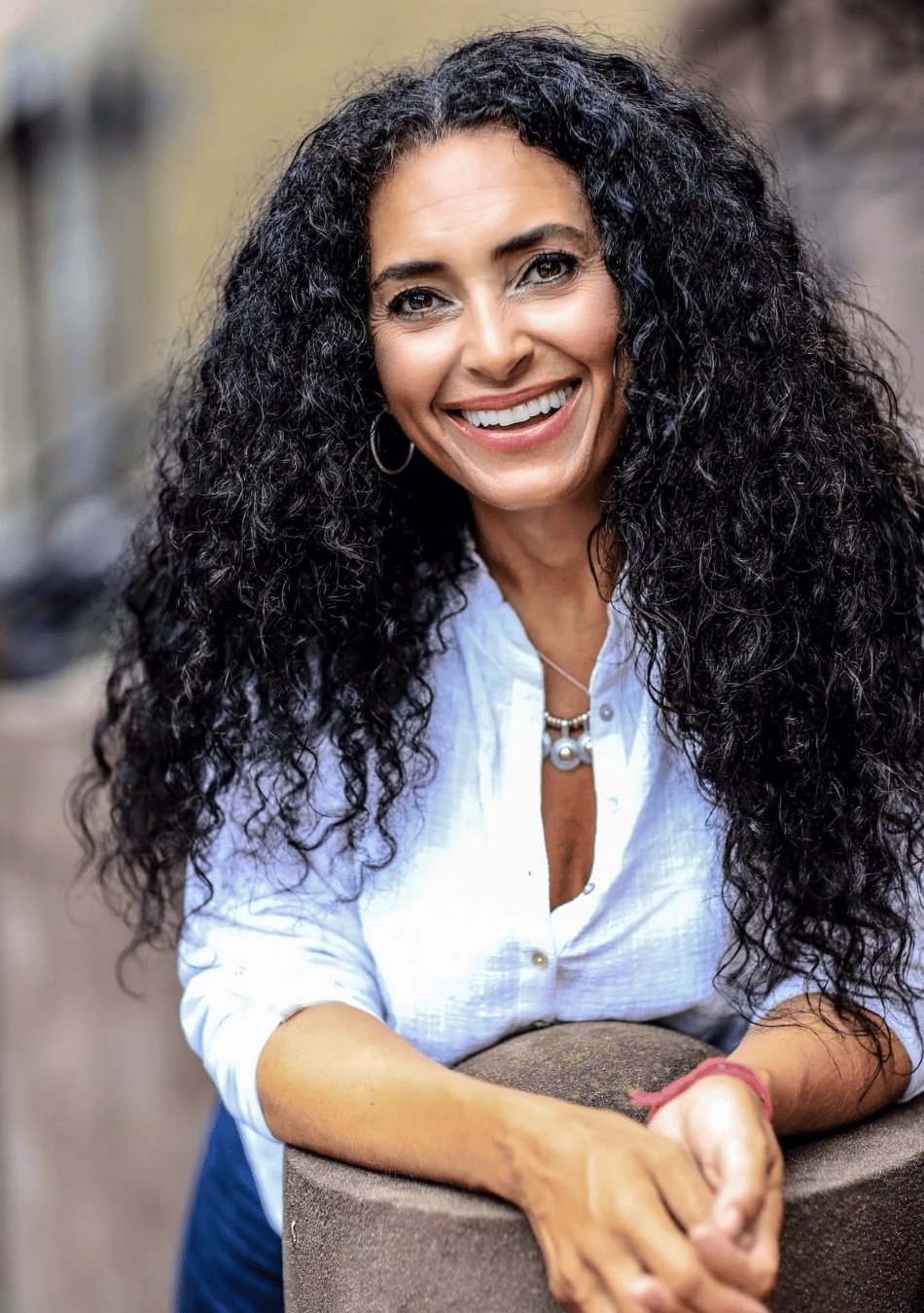
Hi, I’m Francesca Maximé, a Brooklyn-based licensed therapist and certified couples and relationship coach specializing in trauma-informed, somatic, and Internal Family Systems (IFS) work. I offer psychotherapy in New York, Florida, and Massachusetts, as well as coaching nationwide and internationally. My work integrates IFS parts therapy, nervous system awareness, relational depth, and cultural humility to support creatives, high-achieving individuals, and couples who want healing that feels embodied and sustainable.
When inner conflict, trauma, or relentless self-criticism takes hold, choosing the right therapist can feel like a meaningful and vulnerable step. IFS offers a compassionate way to understand the parts of you carrying these burdens and to reconnect with the steadiness that already lives within.
If you’re feeling curious about exploring IFS together, you’re welcome to book a free clarity call so we can explore whether my approach feels aligned.
At the same time, I understand how important the right fit is. Ideally, we find therapists through trusted referrals; someone who can say, “I know this person’s work, and I trust them.” Not everyone has that kind of connection when searching for IFS therapy in Brooklyn. I created this page to offer something close to that: a personal referral list of local IFS clinicians (myself excluded) whose work I genuinely respect and would confidently recommend to someone I care about.
Meet the trusted IFS therapists in Brooklyn
Noga Kreiman
Noga brings a distinctly different flavor of IFS work, one that leans intensely into spiritual inquiry and transformational processes. With decades of experience and advanced training in internal family systems (level 3), she integrates parts work with complementary modalities, including Bach Flower Therapy and breath-based practices.
I recommend Noga because of her rare ability to frame deep wounds as portals for meaning-making and inner expansion, rather than problems to fix. She is an especially strong fit for people drawn to spiritually informed therapy or layered, multi-modal exploration, and her role as a mentor to other practitioners speaks to the steadiness and depth she brings to this work.
Focus areas: Self-acceptance, trauma, holistic healing, spiritual integration
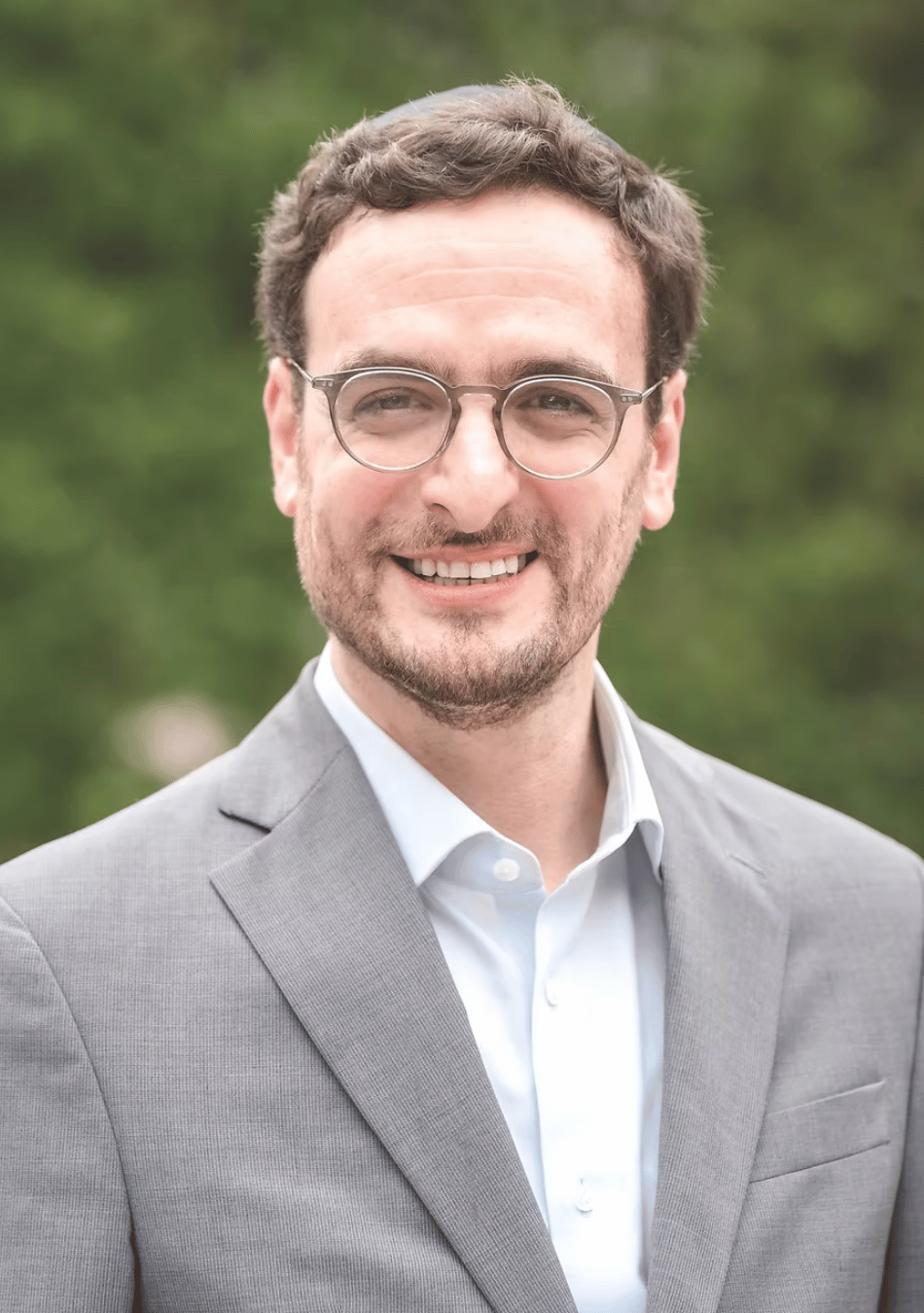
Alexander Rand, LCSW-R, CASAC
Alexander offers a rare blend of long-standing clinical practice and academic leadership to his IFS therapy in Brooklyn. With two decades of experience as a licensed clinical social worker and certified addictions counselor, he is exceptionally skilled at working where trauma and substance use intersect.
Alexander earns a place on my list because of his ability to bring structure, steadiness, and clinical rigor to complex presentations, particularly when addiction is part of the picture. His CASAC certification and teaching background set him apart from many local clinicians and make him an excellent choice for people seeking nuanced, evidence-informed care.
Focus areas: Trauma, addiction, couples therapy
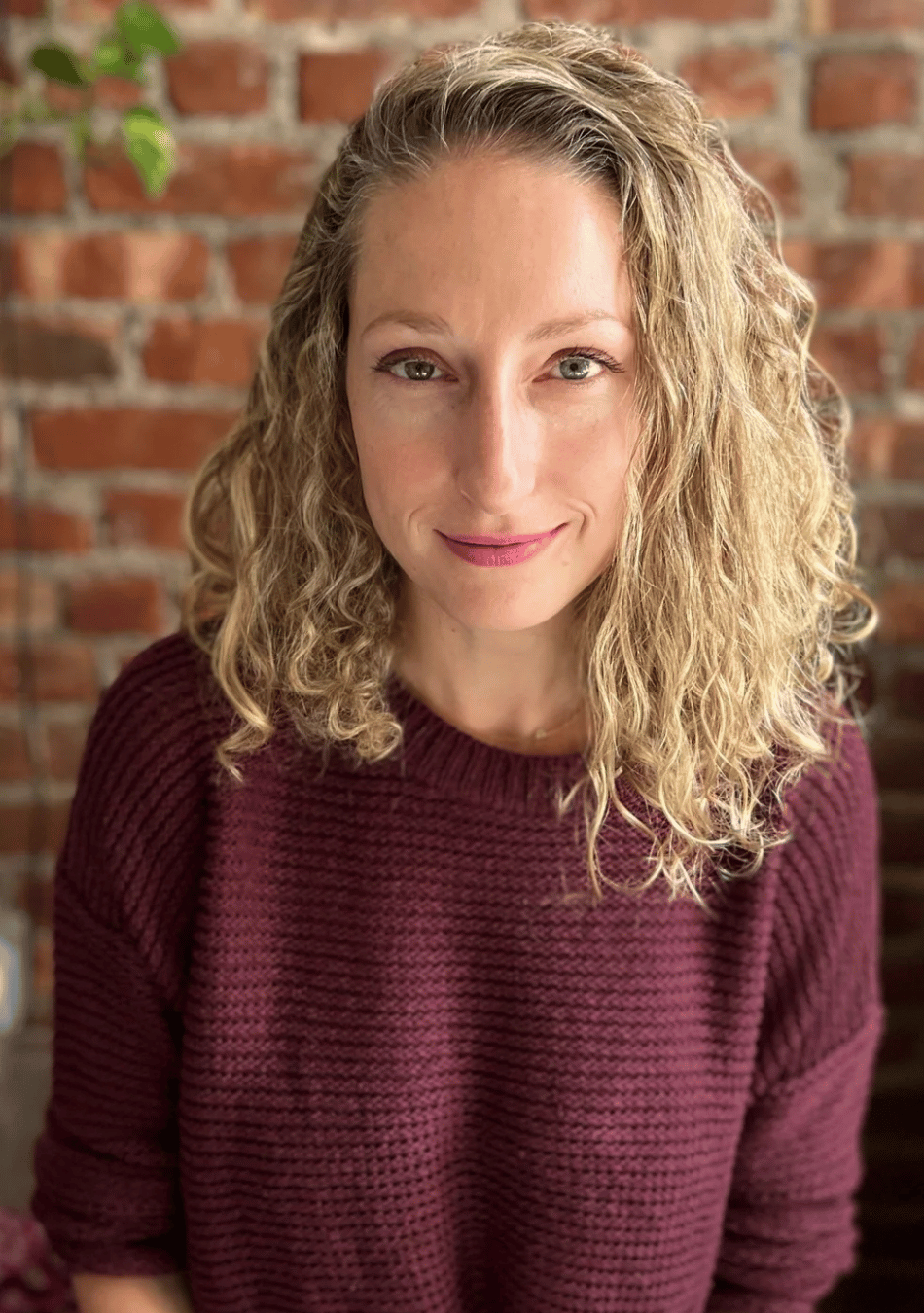
Rebecca Rogers, LCSW
What distinguishes Rebecca is her early background in literature, drama, and teaching, which continues to shape the way she works, inviting imagination and meaning-making into the therapeutic process. She brings a rare blend of depth psychotherapy, contemplative practice, and creative training to her IFS work and offers a style that is both psychologically nuanced and warmly human.
I include Rebecca here because of her ability to work fluidly across age groups while weaving creativity, nervous-system awareness, and relational depth into every stage of healing. Her artistic foundation often helps clients access emotions and inner narratives that feel hard to reach through words alone.
Focus areas: Trauma, anxiety, depression, relationship issues, mind-body healing
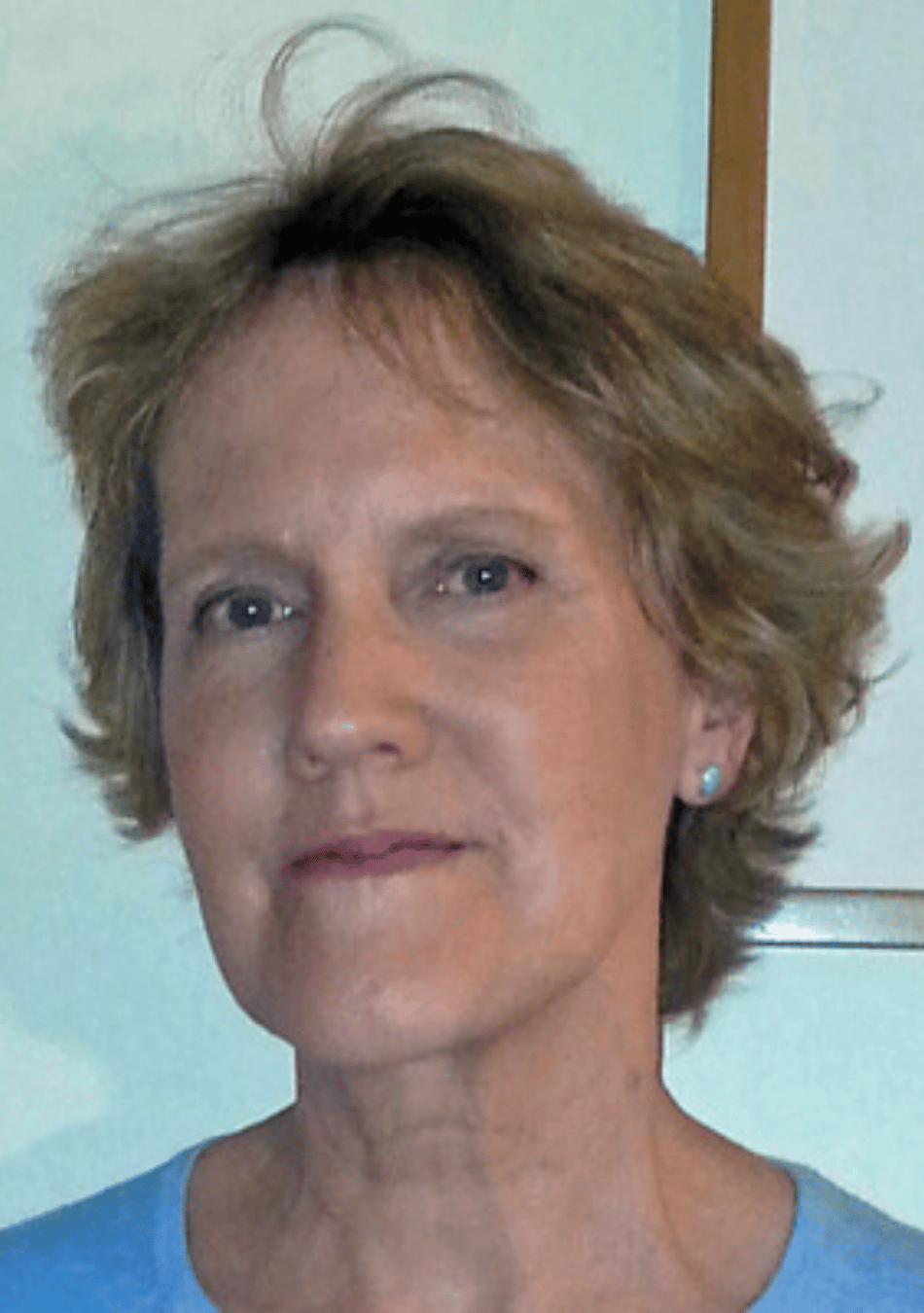
Jean Okie, Ph.D., NCPsyA
Jean offers a wide-ranging and thoughtfully layered approach to therapy that sets her apart within Brooklyn’s IFS community. Trained as a psychoanalyst, she integrates depth psychology with evidence-based methods such as IFS, EMDR, and cognitive-behavioral therapy, enabling her to meet clients in both immediate moments of distress and long-standing relational patterns.
Jean is someone I suggest because of her versatility across ages and relationship structures. Her earlier work as a music therapist adds a distinctive creative dimension to her practice, which can be especially meaningful for children and families who benefit from expressive, non-verbal ways of healing.
Focus areas: Anxiety, depression, trauma, grief, couples therapy, children, and families
FAQs about internal family systems therapy
-
In IFS, we talk about a core state called the Self: a grounded, compassionate presence that exists in everyone. When you’re connected to that place, certain qualities tend to emerge naturally. The “5 P’s” (Presence, Patience, Perspective, Persistence, and Playfulness) describe how you relate to yourself and your inner world.
The “8 C’s” (Calmness, Curiosity, Clarity, Compassion, Confidence, Courage, Creativity, and Connectedness) reflect the tone of that inner relationship. Together, they point toward a way of meeting yourself with steadiness, warmth, and openness rather than force.
-
IFS is a flexible, depth-oriented approach that can support people working through many different challenges, including:
Trauma and PTSD
Anxiety or depression
Relationship struggles
Shame or harsh self-criticism
Grief
Identity questions
Eating concerns
Addiction
Chronic pain
Early developmental wounds.
Because the model focuses on listening to your internal system rather than just managing symptoms, it often leads to lasting change by helping every part of you feel seen, respected, and included in the healing process.
-
IFS can be especially helpful if you recognize different “parts” inside; perhaps one that longs for change and another that stays guarded, or a strong inner critic that shows up when you least expect it. If you’re curious about your inner life and open to slowing down to listen to what’s happening beneath the surface, this approach offers a gentle and compassionate way to build a deeper relationship with yourself.
-
In my work, I weave IFS with somatic awareness, mindfulness practices, and a deep respect for cultural context. Rather than using any one model in isolation, I pay close attention to the nervous system and the body, inviting regulation and safety alongside insight. My lived experience as a multiethnic woman, combined with extensive trauma training, shapes how I hold space for identity, systemic stress, and intergenerational patterns; always intending to honor your whole story.
-
Yes, IFS is often very well suited for complex and developmental trauma. The model understands that certain parts learned to carry painful experiences to protect you, and it prioritizes moving slowly and respectfully so those parts don’t feel overwhelmed. Instead of pushing for disclosure, the work unfolds at the pace of your system, building trust and internal safety first. This gentle, relational process can make IFS especially supportive for long-standing or relational wounds.